
Ragging refers to any act of physical, mental, emotional, or verbal harassment imposed on new students by seniors, usually in educational institutions.
Physical ragging refers to any act that causes bodily harm, discomfort, or physical intimidation, whether directly or indirectly. This includes forcing a student to perform strenuous or degrading physical tasks, demanding punishments, or subjecting them to actions that risk injury or humiliation. Examples include hitting, pushing, kicking, confinement, making someone do difficult exercises, preventing students from eating or sleeping, or forcing them to run errands. Even if these activities are carried out “in the name of fun,” “tradition,” or “friendship,” they are still considered criminal offenses under UGC Anti-Ragging Regulations (2009). The institution takes strict disciplinary action — including suspension and legal prosecution — for any form of physical harassment.
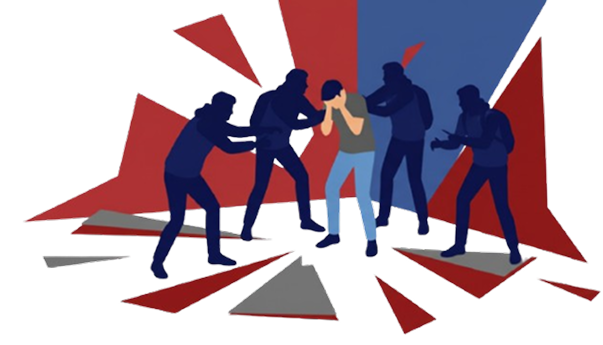
Physical ragging refers to any act that causes bodily harm, discomfort, or physical intimidation, whether directly or indirectly. This includes forcing a student to perform strenuous or degrading physical tasks, demanding punishments, or subjecting them to actions that risk injury or humiliation. Examples include hitting, pushing, kicking, confinement, making someone do difficult exercises, preventing students from eating or sleeping, or forcing them to run errands. Even if these activities are carried out “in the name of fun,” “tradition,” or “friendship,” they are still considered criminal offenses under UGC Anti-Ragging Regulations (2009). The institution takes strict disciplinary action — including suspension and legal prosecution — for any form of physical harassment.
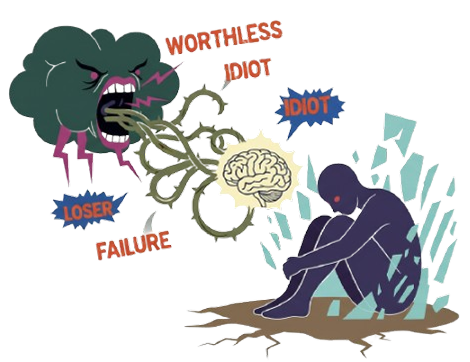
Physical ragging refers to any act that causes bodily harm, discomfort, or physical intimidation, whether directly or indirectly. This includes forcing a student to perform strenuous or degrading physical tasks, demanding punishments, or subjecting them to actions that risk injury or humiliation. Examples include hitting, pushing, kicking, confinement, making someone do difficult exercises, preventing students from eating or sleeping, or forcing them to run errands. Even if these activities are carried out “in the name of fun,” “tradition,” or “friendship,” they are still considered criminal offenses under UGC Anti-Ragging Regulations (2009). The institution takes strict disciplinary action — including suspension and legal prosecution — for any form of physical harassment.
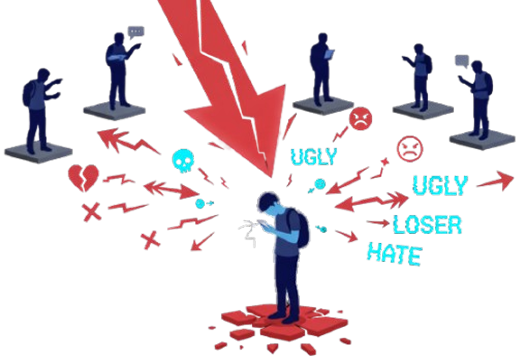
Physical ragging refers to any act that causes bodily harm, discomfort, or physical intimidation, whether directly or indirectly. This includes forcing a student to perform strenuous or degrading physical tasks, demanding punishments, or subjecting them to actions that risk injury or humiliation. Examples include hitting, pushing, kicking, confinement, making someone do difficult exercises, preventing students from eating or sleeping, or forcing them to run errands. Even if these activities are carried out “in the name of fun,” “tradition,” or “friendship,” they are still considered criminal offenses under UGC Anti-Ragging Regulations (2009). The institution takes strict disciplinary action — including suspension and legal prosecution — for any form of physical harassment.

St. Xavier’s Umoid follows a strict zero-tolerance policy toward ragging. Every student has the right to study in an environment that is safe, respectful, and free from fear. Any individual found engaging in, promoting, or supporting ragging will face immediate disciplinary and legal consequences in accordance with UGC guidelines.






Ragging is a punishable offense under the laws of India. St. Xavier’s Umoid strictly follows the UGC Regulations on Curbing the Menace of Ragging in Higher Educational Institutions, 2009.
.png)
Any conduct by a student/s, whether by words spoken or written, or by an act which has the effect of teasing, mistreating or handling with rudeness a new student or any other student.
Indulging in rowdy or indisciplined activities by any student/s which cause or likely to cause annoyance, hardship, physical or psychological harm or to raise fear or apprehension thereof in any fresher or any other student.
Asking any student to do any act which the student will not in the ordinary course to do and which has the effect of causing or generating a sense of shame, or torment, or embarrassment, so as to adversely affect the physique or psyche of the other student.
Any act by a senior student that prevents, disrupts or disturbs the regular academic activity of any other student.
Exploiting the services of a student for completing any assigned academic task/s.
Any act of financial extortion or forceful expenditure burden put on a fresher or any other student by students.
Any act of physical abuse including all variants of it: sexual abuse, homosexual assaults, stripping, forcing obscene and lewd acts, gestures, causing bodily harm or any other danger to health or person.
Any act or abuse by spoken words, emails, post, public insults which would also include deriving perverted pleasure, vicarious or sadistic thrill from actively or passively participating in the discomfiture to fresher or any other student.
Any act that affects the mental health and self-confidence of a fresher or any other student with or without an intent to derive a sadistic pleasure or showing off power, authority or superiority by a student over any fresher or any other student.
.png)
.png)
.png)
.png)
.png)
Even acts done “just for fun” or “as a tradition” are considered ragging under UGC law if they cause discomfort, fear, or humiliation.
Even acts done “just for fun” or “as a tradition” are considered ragging under UGC law if they cause discomfort, fear, or humiliation.
Even acts done “just for fun” or “as a tradition” are considered ragging under UGC law if they cause discomfort, fear, or humiliation.

 St. Xavier’s Umoid via Mawkyrwat, South West Khasi Hills, Dt.
Meghalaya 793114 INDIA
St. Xavier’s Umoid via Mawkyrwat, South West Khasi Hills, Dt.
Meghalaya 793114 INDIA
 +91 6909319967
 sxc.umoid@gmail.com